Anchor SVG Bundle: A Graphic Design Asset for Crafts and Graphics
In the world of digital publishing, the difference between a content site that feels amateurish and one that commands reader trust often comes down to visual communication. As a blog designer who has spent years refining editorial layouts and optimizing website presentation, I approach every new design asset with a critical eye. Today, I am reviewing the Anchor SVG Bundle, a collection of graphics intended for crafts and creative projects, but with significant potential for real website and content publishing use.
When I first opened the folder containing this graphic design asset, the immediate impression was one of nautical calm mixed with modern simplicity. The anchor motif is timeless, yet this specific set avoids the cluttered, overly decorative styles that can make a website look dated. Instead, it offers a clean, bold aesthetic that suggests stability, guidance, and a touch of coastal lifestyle. For a publisher, this mood is crucial. It naturally supports niches focused on travel, family life, outdoor education, or even serious topics where you want to convey reliability without appearing stiff or corporate. It creates an editorial mood that is both inviting and professional, perfect for bloggers who want their content to feel polished and clickable from the very first scroll.
Integrating Anchor SVG Bundle into Your Publishing Workflow
The true value of a design asset like this lies in its versatility across your content marketing ecosystem. In my recent workflow preparing a series of articles on sustainable living, I needed a cohesive visual system that could bridge the gap between long-form text and social media promotion. The Anchor SVG Bundle proved to be an excellent fit for this scenario.
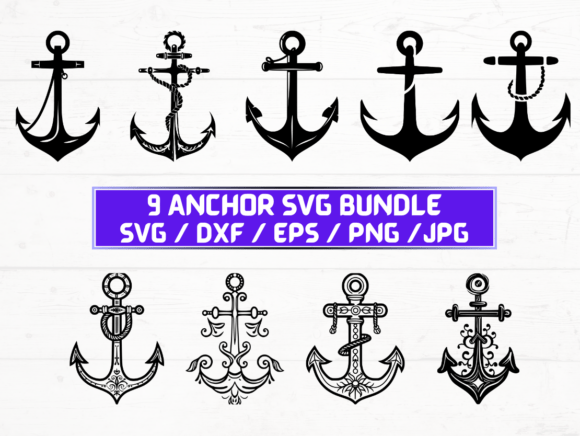
Imagine a typical publishing day: you are creating featured images for your latest blog post, designing Pinterest pins to drive traffic, and drafting a newsletter header for your weekly digest. This bundle provides the necessary components to handle all these tasks efficiently. Because the listing includes multiple file formats—specifically 9 SVG files, 9 PNG files at 300 dpi with transparent backgrounds, 9 DXF files, 9 JPG files, and 9 EPS files—you have the flexibility to scale your visuals without losing quality. Whether you are working in Canva templates for quick social updates or using vector software for high-resolution web headers, the assets adapt seamlessly.
I utilized the SVG versions for website banners and article thumbnails because they remain crisp at any size. The PNG files were perfect for adding to downloadable resources, such as worksheets or digital guides, where a high-quality raster image is required. The inclusion of DXF and EPS files also opens doors for creators who might produce physical printables or merchandise as part of their affiliate marketing strategy. This multi-format approach ensures that your brand identity remains consistent whether the user is viewing your site on a desktop monitor or scrolling through Instagram on a mobile device.
Elevating Visual Hierarchy and Reader Trust
One of the primary goals of editorial design is establishing a clear visual hierarchy. When a visitor lands on your page, they need to understand what is important within seconds. The Anchor SVG Bundle supports this by providing strong focal points that draw the eye without overwhelming the text. By incorporating these graphics into category thumbnails or as accents in your editorial layouts, you create a stronger visual identity that helps readers recognize your content instantly.
This consistency builds reader trust. A website that uses mismatched or low-quality clip art often signals a lack of attention to detail. Conversely, a site that employs a cohesive set of design assets like this one appears more authoritative. When used correctly, these graphics enhance click-through potential. For instance, placing an anchor icon next to a headline about "Navigating Remote Work" or "Setting Sail on New Projects" adds a layer of thematic depth that encourages engagement. It transforms a standard list of links into a curated experience.
Furthermore, these assets are ideal for creating lead magnets. If you are offering a free digital guide or a printable checklist, wrapping it in a professionally designed cover featuring the anchor motif makes the offer feel more valuable. This is a key tactic in content marketing; the perceived value of a free resource often dictates the conversion rate. By treating your lead magnet as a premium product through careful graphic design, you increase the likelihood of capturing email subscribers.
Strategic Placement and Potential Pitfalls
While the Anchor SVG Bundle is highly versatile, smart publishers know that context is everything. There are specific areas where this design asset shines and others where caution is required. It works exceptionally well for hero images, article thumbnails, Pinterest pins, and newsletter headers. These are high-visibility areas where the anchor symbol can serve as a powerful editorial accent or a standalone visual statement.
However, there are scenarios where you should use it carefully. If you are writing for a serious professional niche, such as legal advice or financial consulting, a playful anchor graphic might undermine the gravity of your message. Similarly, if your website layout is already busy with complex patterns or heavy imagery, adding another decorative element could create visual noise. On small mobile thumbnails, intricate details might get lost, so always test how the graphic appears when scaled down to a square or vertical rectangle.
Text-heavy blog images are another area requiring thought. Ensure that the anchor graphic does not compete with your headline. The best practice is to use the graphic as a background element with a dark overlay or as a subtle border, allowing your typography to remain the primary focus. Additionally, check contrast levels; if your background is light, ensure the anchor design has enough weight to stand out, or vice versa.
Publisher Notes for Implementation
To get the most out of this graphic design asset, I recommend a few practical steps before deploying them live. First, test the visuals on both desktop and mobile screens. What looks impressive on a large monitor might appear too large or pixelated on a phone screen. Preview the images inside your actual blog layout to see how they interact with your existing color palette and typography.
It is also vital to review file performance. Even though SVGs are lightweight, ensuring your JPG and PNG files are properly compressed will improve your website's load speed, which is a critical factor for SEO and user retention. Place the anchor graphics beside different font styles to gauge their compatibility. They pair beautifully with serif fonts for a classic editorial look, sans serif fonts for a modern vibe, and script or handwritten fonts for a personal, boutique feel.
Finally, confirm your commercial license. While many creative marketplaces offer generous terms, you must verify that you are allowed to use these designs on monetized websites, affiliate pages, and paid content products. Once cleared, the Anchor SVG Bundle becomes a powerful tool in your arsenal for small business branding and digital download creation. By integrating these graphics thoughtfully, you elevate your content from simple text to a polished, professional publication that resonates with your audience.