Coffee Laser Engraving Cut Files Review
As someone who has spent years reviewing machine embroidery design assets for both personal hobbies and commercial client work, I approach every new download with a mix of excitement and skepticism. The market is flooded with generic graphics, but finding a piece that balances aesthetic charm with technical feasibility is rare. Recently, I pulled the Coffee Laser Engraving Cut Files from my digital library to test its viability in real-world production scenarios. This isn't just another static image; it is a collection of design assets intended to bridge the gap between laser engraving aesthetics and textile art.
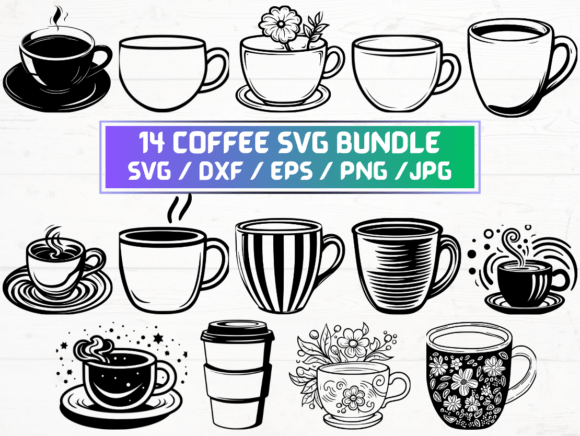
The first impression of the Coffee Laser Engraving Cut Files is one of warmth and rustic comfort. The visual personality leans heavily into the "cozy café" vibe, featuring clean lines and distinct shapes that mimic the look of burnt wood or etched metal. For an embroidery file, this mood translates well into projects that need to feel handmade and artisanal rather than mass-produced. The layout feels balanced, avoiding the cluttered look that often plagues low-quality vector conversions. It screams "small shop product," making it immediately appealing to Etsy sellers and craft business owners looking to elevate their brand consistency.
A Real-World Test: The Custom Tote Bag Project
To truly evaluate how these files perform, I didn't just look at them on a screen; I ran a simulation for a specific project. Imagine a boutique owner preparing a limited-run line of tote bags for a local coffee shop collaboration. The goal was to create a handmade product that felt premium enough to justify a higher price point. The Coffee Laser Engraving Cut Files were selected as the centerpiece for this tote bag design.
When I mapped out the stitch paths, the design showed promise. The primary shape allows for a robust satin stitch outline, which would give the final product a crisp, raised edge. However, the internal details require careful consideration. If the original intent was to mimic laser engraving, the design relies on fine lines. In embroidery, those lines must be translated into either dense fill stitch areas or delicate running stitch patterns. My assessment suggests that for a standard canvas tote, the design works best when simplified slightly to prevent thread breakage and maintain clarity.
Imagine the customer receiving this bag. The texture of the embroidery adds a tactile element that flat prints cannot match. The contrast between the dark fabric of the tote and lighter thread colors would make the coffee theme pop, creating a strong emotional connection. This level of detail boosts customer trust because it signals effort and quality. It transforms a simple accessory into a personalized gift that feels curated and thoughtful.
Navigating Technical Challenges on Different Fabrics
While the artistic vision is clear, the execution depends entirely on the substrate. The Coffee Laser Engraving Cut Files are versatile, but they are not magic wands. They demand respect from the embroiderer. On textured fabrics like heavy denim or raw linen, the design might get lost if the stitch density is too low. Conversely, on thin, stretchy fabrics like jersey knit used for baby clothes, the tension required to hold the shape could cause puckering.
I found that this design is particularly sensitive to hoop size. Attempting to stitch the full composition in a small 4x4 hoop would result in cramped spacing, making the finer details difficult to see once finished. For the best results, a larger hoop is necessary to allow the machine to move freely without distorting the fabric. When working on curved surfaces, such as embroidered patches for caps or hats, the perspective shift can alter the perceived thickness of the lines. A design that looks perfect flat may appear distorted on a curved brim unless the digitizing is adjusted specifically for that curvature.
Dark fabrics present another hurdle. The Coffee Laser Engraving Cut Files rely on negative space and line definition. Stitching light threads on a black background requires a high thread count to ensure opacity, which increases the risk of needle deflection. Using a proper stabilizer becomes non-negotiable here. Without adequate support, the dense stitching needed for the coffee cup's silhouette could pull the fabric out of alignment, ruining the finished product.
Strategic Use Cases for Commercial and Personal Projects
Despite the technical nuances, the potential applications for these files are vast. For holiday embroidery projects, this design fits perfectly into seasonal collections. Think of custom aprons for holiday baking classes or kitchen towels for winter gift sets. The warm tones associated with coffee naturally align with autumn and winter aesthetics, making it a safe yet stylish choice for commercial embroidery businesses.
For apparel decorators, the design offers flexibility. It can be scaled down for a subtle chest logo on a sweatshirt or expanded for a large back print on a hoodie. The key is maintaining the integrity of the lines. When used on baby embroidery items, such as onesies or bibs, the design should be softened. The sharp edges typical of laser engraving styles might feel too harsh against a baby's skin, so adjusting the stitch type to something softer is recommended.
Digital product sellers will find value in the variety of formats included. The ability to offer printable mockups using the provided PNG files allows creators to visualize the end result before spending hours on the machine. This is crucial for Etsy sellers who need to showcase their craft business offerings professionally. By testing the design in black and white mockups first, you can verify that the contrast holds up even without color, ensuring the design remains recognizable across different marketing channels.
Practical Designer Notes Before You Stitch
If you plan to incorporate the Coffee Laser Engraving Cut Files into your workflow, there are a few critical steps to ensure success. First, always test the design on scrap fabric. This is the only way to gauge how the thread colors interact with your specific material and to check for any unexpected distortion. Pay close attention to the stitch density; if the design looks too crowded, consider simplifying the inner details to improve longevity.
Confirm your licensing terms before selling any finished items. While the listing provides various formats like SVG, DXF, JPG, and EPS, the commercial rights for the final embroidered goods depend on the specific license agreement. Do not assume that owning the digital file grants you the right to resell the physical products. Additionally, inspect the small details closely. Some intricate parts of the coffee imagery might be too tiny for smaller machines or lower-resolution outputs, leading to a muddy appearance in the final stitch.
Finally, consider the washing instructions for your clients. Dense stitch areas and decorative accents can sometimes snag or fray if not secured properly. Ensuring the design is anchored well and using high-quality thread will protect your reputation as a creator of durable custom apparel. By treating the Coffee Laser Engraving Cut Files not just as a graphic but as a structural blueprint for your machine, you can produce professional-grade results that stand out in a crowded marketplace.
In conclusion, this set of graphics offers a solid foundation for anyone looking to add a touch of artisanal charm to their embroidery project. It requires a bit of finesse and planning, but the payoff in terms of visual appeal and brand recognition is well worth the effort. Whether you are crafting a unique gift for a friend or building a small shop around coffee culture, these files provide the tools to bring your vision to life.