Cup Svg Files for Cricut: A Designer's Real-World Review
As an embroidery designer who has spent years turning digital concepts into stitched reality, I approach every new asset with a mix of excitement and skepticism. You are never quite sure if a design will hold up under the needle or if it will look like a marketing promise rather than a finished product. Recently, I evaluated a set of Cup Svg Files for Cricut to see how they would perform in actual commercial projects. This review isn't about the download speed or the folder structure; it is about whether these designs can stand alongside professional work on a boutique shelf or a handmade gift.
The First Stitch: Visual Personality and Mood
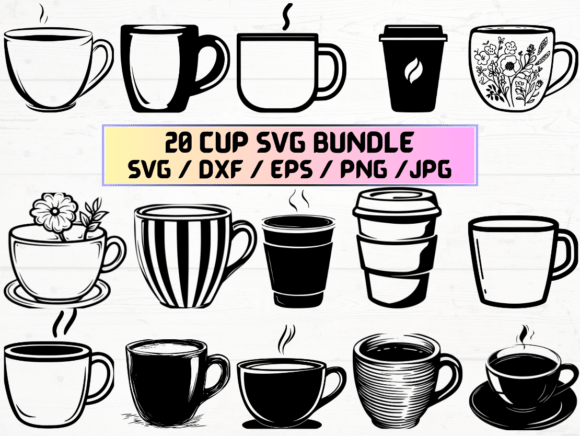
When you first open the package, the immediate question is always: what story does this shape tell? The Cup Svg Files for Cricut collection brings a cozy, inviting energy that feels perfectly suited for modern home goods and lifestyle branding. The silhouette is clean and recognizable, creating an instant association with comfort, morning rituals, and hospitality. For a designer looking to create a cohesive line of products, this visual personality is a strong starting point.
The layout is straightforward, avoiding unnecessary clutter that often causes headaches during digitization. It feels like a design meant to be seen clearly, whether it is embroidered on a thick cotton canvas or stitched onto a delicate baby onesie. The shapes possess a friendly, approachable character that works well for personalized gifts, nursery decor, or even as a subtle accent on a barista's apron. It is not trying to be overly complex; instead, it relies on the strength of the form itself.
From Screen to Stitches: Real-Life Application Scenarios
I put these files through a rigorous mental simulation based on my recent client work. Imagine preparing a custom embroidered tote bag for a local coffee shop opening. The goal is to have a logo that customers will recognize immediately but also feel warm and welcoming. Using Cup Svg Files for Cricut in this context makes perfect sense. The design translates naturally into a machine embroidery file where the cup acts as the central anchor for the brand.
Consider a small business owner selling holiday gift sets. A set of kitchen towels featuring a simple, elegant cup motif could become a bestseller. The design fits the "hygge" trend that dominates the craft market right now. When applied to a sweatshirt embroidery project, the cup shape offers a great balance between a statement piece and a subtle detail. It allows for creative flexibility with thread colors; a navy cup on a white tee looks sharp, while a cream cup on a charcoal fabric offers a soft, tonal elegance.
For those working in the Graphics and Crafts sectors, these assets are versatile enough to serve as printable mockups before committing to production. An Etsy seller might use the vector data to create digital previews, showing customers exactly how the final embroidery project will look on different fabrics. This level of preparation builds trust and reduces return rates, which is crucial for any serious craft business.
Where Caution is Required: Technical Limitations
While the design is appealing, a professional eye must identify where it might struggle. One of the primary concerns with any embroidery file is the scale relative to the hoop size. If you attempt to stitch this design on a very small patch, such as a lapel pin or a tiny hat brim, the details may get lost or merge together. The curves of the cup need enough space to breathe, especially if you are using a high stitch density to achieve a smooth finish.
Fabric texture plays a significant role in the final outcome. On stretchy fabrics like jersey knit used for t-shirts, the tension required to stitch the fill areas might cause puckering. Without proper stabilizer, the cup shape could warp, losing its symmetry. Similarly, on textured fabrics like heavy denim or boucle, the stitches might not sit flush, making the design appear uneven. In these cases, the design might require a denser backing or a specific type of tear-away stabilizer to maintain its integrity.
Dark fabrics present another challenge. While the SVG format handles color separation well, the underlying fabric color can affect the visibility of light-colored threads. If you plan to use white or pastel threads for the cup, ensure the background fabric provides enough contrast. Otherwise, the design might fade into the material, reducing its impact as a custom apparel feature.
Stitch Density and Thread Selection
The visual appeal of the Cup Svg Files for Cricut depends heavily on how you translate the vector lines into stitches. Satin stitch is likely the go-to for the outline, providing a crisp edge that defines the cup's rim. However, if the design includes internal details, fill stitch might be necessary. High stitch density can make the fabric stiff, which is undesirable for items like pillow covers or tea towels that need to remain soft and pliable.
Thread colors should be chosen to enhance the mood. Earth tones like terracotta, sage green, or mustard yellow complement the coffee theme beautifully. Conversely, bold primary colors might clash with the cozy aesthetic. Always test your thread choices against the fabric swatch before running a full production batch. A mismatch in thread sheen and fabric texture can ruin the presentation of a handmade product.
Practical Notes for the Embroidery Designer
If you are planning to use these assets for commercial purposes, there are several critical steps to take before hitting the start button on your machine. First, always test the design on scrap fabric. This simple step reveals issues with tension, registration, and stabilizer choice that you cannot predict from a screen. Check the stitch density carefully; if the design feels too heavy, consider adjusting the settings to allow for more fabric movement.
Confirm the hoop size requirements. While the listing mentions various formats, including SVG, DXF, and EPS, the actual dimensions of the design within the software might vary depending on your scaling preferences. Ensure the design fits comfortably within your machine's maximum hoop size without requiring awkward repositioning. Inspect small details closely, particularly if the design includes text or fine lines, as these are the first elements to break down in low-resolution exports.
Review the licensing terms thoroughly. Even though the product information lists multiple file types, it does not explicitly state the commercial usage rights. As a small shop product creator, you need to know if you can sell finished items made with these designs or if the license restricts you to personal use only. Do not assume; verify the terms to avoid legal complications later.
Final Thoughts on Design Value
In the world of digital embroidery file sales, finding a design that balances aesthetics with practicality is rare. The Cup Svg Files for Cricut offer a solid foundation for a wide range of projects, from baby embroidery to holiday embroidery collections. They provide a reliable way to elevate a basic item into something special, adding value to personalized gifts and commercial embroidery ventures alike.
Ultimately, the success of this design comes down to execution. With careful attention to fabric selection, stabilizer placement, and thread choice, these files can produce stunning results that customers will love. They fit seamlessly into the workflow of an Etsy seller or a creative entrepreneur looking to expand their inventory. By treating the design with respect and testing it thoroughly, you can turn a simple cup shape into a memorable part of your brand identity.