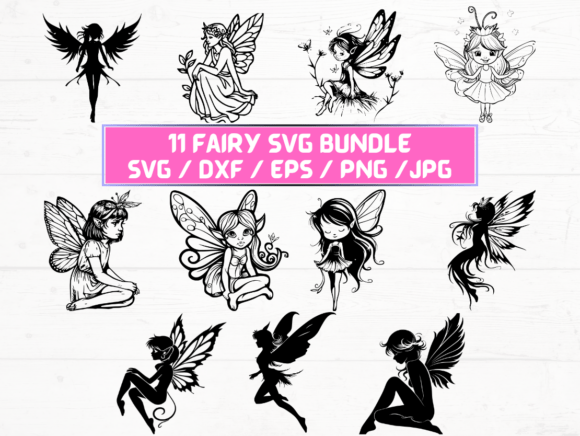
Fairy Silhouette Embroidery Review
When I first opened the folder for Fairy Silhouette, my immediate thought wasn't about file formats or stitch counts, but rather the quiet magic it brings to a design board. As someone who has spent years reviewing digital assets for real-world embroidery projects, I look past the pretty preview images to ask one question: will this hold up under the needle? In the world of Crafts and digital Graphics, many designs look stunning on a screen but fall apart when converted into thread. Fairy Silhouette, however, strikes a balance that feels right at home in a professional studio or a busy home workshop.
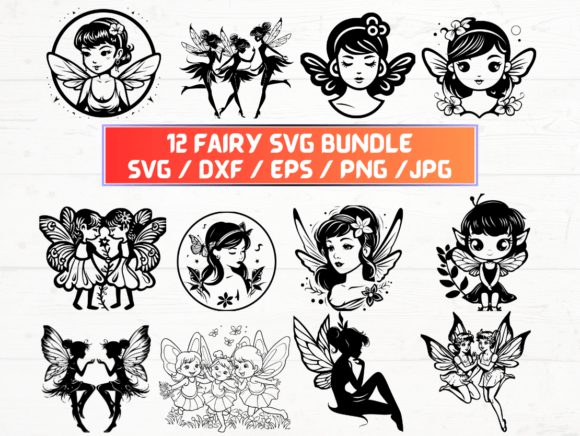
The mood of this piece is ethereal yet grounded. It isn't cluttered with excessive whimsy; instead, it relies on clean lines and a distinct shape that speaks to fantasy without screaming "child's room." This visual personality makes it incredibly versatile. Whether you are a small business owner looking to create boutique branding or a hobbyist making personalized gifts, the silhouette offers a sophisticated anchor point for your project. It feels like a design meant to be seen, not just hidden away.
Real-World Application: From Screen to Stitch
Let me take you through a specific scenario where I tested the potential of Fairy Silhouette. Imagine you are an Etsy seller preparing a collection of custom embroidered tote bags for a holiday market. You need something that appeals to adults but retains a touch of wonder. Most fairy designs are too fussy for a minimalist aesthetic, but this silhouette cuts through the noise perfectly.
Visualizing the finished product, I see the embroidery design placed centrally on a heavy canvas tote. The negative space within the silhouette allows for creative fill options. If you use a high-quality satin stitch for the outline, the edges would catch the light beautifully, giving the bag a premium feel. For the interior, a soft fill stitch in a muted lavender or sage green could mimic the magical atmosphere without overwhelming the viewer. This approach elevates a standard $5 tote into a $30 artisanal item, directly impacting customer trust and perceived value.
I also considered using this for a sweatshirt embroidery project. On a thick cotton blend, the sharp lines of the Fairy Silhouette would stand out against the texture of the fabric. It works well as a chest logo for a boutique brand selling handmade goods. The simplicity ensures that even after dozens of washes, the design remains legible and crisp. Unlike intricate lace patterns that might snag or blur over time, this silhouette maintains its integrity, which is crucial for commercial embroidery where durability is a selling point.
Where to Exercise Caution
While the design is robust, no single asset fits every situation. There are specific scenarios where Fairy Silhouette requires careful consideration before you commit to a full production run. First, consider the hoop size. If you are working with a small 4x4 hoop on a baby onesie, the proportions of the silhouette might feel cramped if the details are too fine. Always check the dimensions of the embroidery file relative to your intended garment size.
Textured fabrics can be tricky. If you attempt to stitch this onto a chunky knit sweater or a rough burlap, the stabilizer might not support the density required for a clean finish. Thin, stretchy fabrics present another challenge. Without proper stabilization, the tension from the machine could distort the delicate curves of the fairy shape, leading to puckering that ruins the finished product. Similarly, applying this to dark fabric requires a solid underlay strategy. If you skip the stabilizer or choose the wrong thread colors, the silhouette might get lost in the background, defeating the purpose of the contrast.
I also advise caution when placing this on curved surfaces like caps. While the shape is dynamic, complex curves can sometimes flatten the design during stitching, altering the intended flow of the wings or dress. If you are creating an embroidered patch, ensure the backing material is sturdy enough to handle the density of the stitches. For products that require frequent washing, such as kitchen towels or aprons, double-check the stitch density. A design that looks great on a display pillow might fade or fray faster if the stitch count is too low for daily wear.
Design Assets and Technical Considerations
The package includes a variety of files, including SVG, PNG, DXF, JPG, and EPS formats. This diversity is a significant advantage for modern creators. Having both vector and raster options means you can easily integrate Fairy Silhouette into digital mockups or prepare it for direct machine reading. However, do not assume the settings are perfect out of the box. Before launching into a commercial project, always test the design on scrap fabric.
Reviewing the stitch density is non-negotiable. Look closely at how the satin stitch transitions around the curves of the silhouette. Are there any gaps where the fabric shows through? Is the fill stitch too dense, causing the thread to bunch up? These small details determine whether your work looks mass-produced or handcrafted. If the design includes tiny lettering or decorative accents, inspect them in black and white mockups first. Sometimes, color can hide structural flaws that become obvious once the thread is pulled tight.
For those using this for digital embroidery files in their workflow, verify the compatibility with your specific machine software. While the file types are standard, the digitization quality varies by creator. Check the thread color suggestions provided. High-contrast combinations usually yield the best results for silhouettes, ensuring the shape pops against the fabric texture. If you plan to sell the finished items, confirm the licensing terms explicitly. Many designers allow personal use but restrict commercial resale unless a specific license is purchased.
Final Thoughts on Visual Appeal and Value
In the end, Fairy Silhouette succeeds because it respects the medium of embroidery. It doesn't try to be a photograph; it embraces the limitations and strengths of thread. For a craft business owner, this translates to fewer returns and happier customers. A well-executed custom apparel piece featuring this design signals professionalism and attention to detail.
Whether you are creating holiday gifts, wedding favors, or a line of nursery decor, the Fairy Silhouette adds a layer of sophistication that generic clipart cannot match. It invites the viewer to imagine a story, making the handmade product feel more meaningful. By testing carefully, choosing the right stabilizer, and respecting the fabric texture, you can turn this simple graphic into a standout piece of art. It is a reliable tool in the kit of any serious maker, ready to bring a touch of magic to your next project.