Pentagram SVG: A Designer's Take on Real-World Embroidery
When I first opened the Pentagram SVG folder, my immediate reaction wasn't about the file count or the download speed. It was about the mood. There is a specific energy that comes with this geometric shape—a blend of mysticism, balance, and bold structure. As someone who has spent years stitching designs onto everything from baby onesies to boutique tote bags, I know that not every graphic translates well into thread. Some look great on a screen but fall apart under the needle. My goal here is to walk you through exactly how this design performs when it moves from your computer screen to a real-world embroidery project.
The First Stitch: Visual Personality and Layout
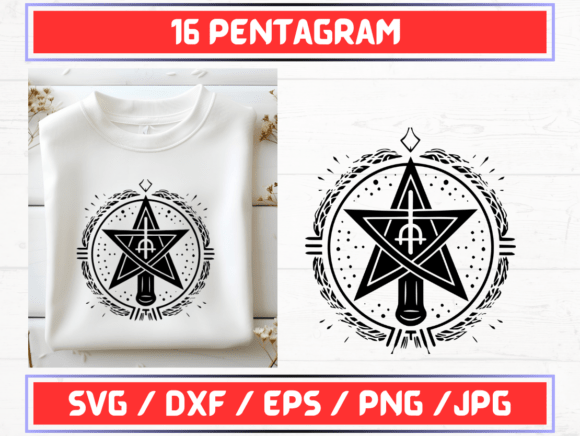
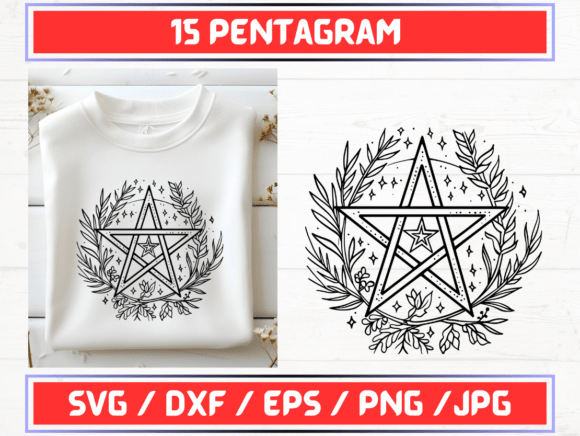
The Pentagram SVG carries a distinct visual weight. Unlike a floral motif that relies on soft curves, this design speaks in straight lines and sharp angles. For an embroidery designer, this presents both opportunities and challenges. The five-pointed star creates a natural focal point that demands attention. When I imagine this stitched onto a dark denim jacket or a cream-colored canvas tote, the symmetry offers a sense of order that customers often find satisfying. It feels intentional rather than decorative filler.
The layout is clean, which is crucial for machine embroidery. In my experience, designs with too many intersecting lines can create "bird nests" or thread breaks if the stitch density isn't perfect. This particular graphic seems to have enough negative space within the points to allow for proper thread coverage without looking cluttered. It strikes a balance between being a statement piece and remaining versatile enough to fit into a collection of handmade products.
Real-World Application: From Screen to Stitch
Let's talk about a specific scenario. Imagine you are preparing a custom order for a client who wants a personalized gift for a witchcraft enthusiast or a spiritual retreat attendee. You decide to embroider the Pentagram SVG onto a high-quality, organic cotton apron. This is where the design truly shines. The structured nature of the star works beautifully on flat surfaces like aprons, kitchen towels, and pillow covers. The sharp points define themselves clearly against the fabric, creating a crisp finish that elevates the perceived value of the item.
I also see this working exceptionally well for holiday-themed merchandise. During the winter season, a subtle embroidered pentagram on a wool sweater or a festive blanket can add a touch of seasonal mystery without being overwhelming. For small business owners and Etsy sellers, this design is a strong asset for creating cohesive branding. Whether you are selling digital printables or physical goods, having a consistent symbol like this helps build recognition. It signals a specific aesthetic—bohemian, modern, or mystical—that attracts a dedicated niche audience.
However, the versatility extends beyond just spiritual themes. The geometric simplicity allows it to be reinterpreted as a modern graphic element. On a men's sweatshirt or a baseball cap, it can serve as a minimalist accent. The key is in the execution. When placed correctly, the Pentagram SVG transforms a basic garment into a custom-designed piece that tells a story.
Where Caution is Required
While the design is robust, no single embroidery file is a magic bullet for every situation. There are specific contexts where the Pentagram SVG requires careful consideration. If you are working with small hoop sizes, such as those used for cuff embroidery or tiny baby booties, you must evaluate the scale. The points of the star might become too dense, leading to puckering or loss of definition. Always check the dimensions before hooping.
Fabric choice is another critical factor. Textured fabrics, like heavy boucle or thick fleece, can hide the fine details of the design. Similarly, stretchy knits require a stabilizer that matches the fabric's elasticity; otherwise, the rigid lines of the pentagram may warp after washing. Dark fabrics present their own challenge. While a light thread will pop against a black shirt, the contrast might make the design look harsh if the stitch density is too high. Conversely, on light fabrics, a darker thread provides a sophisticated, understated look.
Curved surfaces, such as the front panel of a fitted cap, demand extra attention. The geometry of the star is designed for flat planes. On a curved surface, the points might distort unless you use specialized padding techniques. Additionally, if the design includes very small lettering or intricate inner details (which we should verify in the file preview), these areas are prone to thread breakage during long production runs. For items that need frequent washing, like children's clothing or workwear, ensure the design does not rely solely on satin stitches that might snag easily.
Design Notes for the Professional Maker
If you are serious about using this Pentagram SVG in your craft business, there are practical steps you should take before running a full production batch. First and foremost, always test the design on scrap fabric. This is non-negotiable. You need to see how the stitch density interacts with your specific thread colors and fabric type. Does the fill stitch look solid, or are there gaps? Do the points pull the fabric too much?
Review the stitch types included in the file. A combination of satin stitch for the outlines and fill stitch for the interior is standard, but sometimes a running stitch adds a nice handcrafted texture. Check the hoop size requirements listed in the product information. If the design is intended for a 4x4 hoop, do not attempt to resize it significantly larger without adjusting the stitch count, or the quality will suffer.
Inspect the small details closely. Sometimes, vector files convert poorly into embroidery formats, resulting in jagged edges or floating threads. Use a monochrome mockup to visualize the design in black and white first. This helps you judge the balance of the composition without the distraction of color. Compare how it looks on both light and dark backgrounds to ensure the contrast remains effective.
Don't forget the stabilizer. For a design with sharp angles, a cut-away stabilizer is often the safest bet to maintain the shape over time, especially on woven fabrics. If you are planning to sell finished items, confirm the licensing terms provided in the download. Ensure you have the right to sell the physical products created with this embroidery file. Many designers offer commercial licenses, but some restrict usage to personal projects only.
Final Thoughts on Value and Trust
In the world of handmade goods, the quality of the embroidery directly impacts customer trust. A well-executed Pentagram SVG on a high-end tote bag or a custom baby blanket demonstrates professionalism. It shows that you care about the details, even the ones hidden inside the stitches. Customers are willing to pay more for a product that looks polished and durable.
This design asset fits well into the current market trends for personalized gifts and boutique branding. It appeals to buyers looking for something meaningful yet stylish. Whether you are a seasoned embroiderer or a new crafter looking to expand your craft business, the Pentagram SVG offers a solid foundation for creating unique pieces. Just remember to treat every file as a starting point for experimentation. Test, adjust, and refine until the final product meets your standards. That is the secret to building a reputation for excellence in the handmade community.