Fairy SVG File: A Designer's Real-World Review
As a professional designer who spends countless hours testing digital assets for real-world application, I approach every new download with a mix of excitement and skepticism. You never know if a file will translate beautifully from the screen to the fabric until you actually stitch it out. Recently, I had the opportunity to evaluate the Fairy SVG File specifically for its potential in commercial embroidery projects, personalized gifts, and boutique product lines. This review is not just about the file formats included; it is about how this design behaves when it meets thread, needle, and fabric.
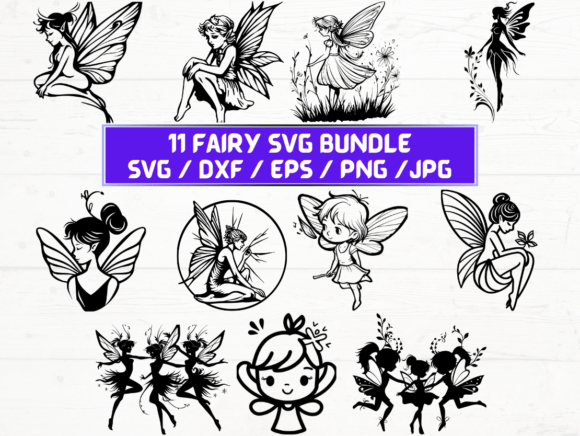
The first impression of the Fairy SVG File is one of whimsy and delicate charm. In the world of Graphics, there are thousands of fairy designs, but what matters most to an embroiderer is the structural integrity of the shapes. The visual personality here feels light and airy, which suggests it is perfectly suited for soft surfaces like baby clothes, aprons, or tote bags. However, the mood also implies a certain fragility that requires careful handling during the digitizing or stitching process. If you are looking to create a handmade product that feels magical without being overly cluttered, this design offers a strong foundation.
Real-World Application: From Screen to Stitch
To truly understand the value of this asset, let's imagine a specific scenario. Suppose you are an Etsy seller preparing a collection of custom embroidered baby onesies for a holiday gift shop. You need a design that conveys innocence and magic but must hold up to the wear and tear of frequent washing. The Fairy SVG File enters this equation as a potential centerpiece.
When I visualize this design on a cotton-blend onesie, the flow of the lines suggests a natural placement on the chest or the back yoke. The shape creates a focal point that draws the eye immediately. For a custom apparel item intended for a boutique, the aesthetic appeal of the fairy motif elevates the perceived value of the garment. It transforms a standard piece of clothing into a personalized gift that feels special and curated. Customers buying these items are often looking for something unique that they cannot find in mass-market stores, and the intricate nature of a fairy theme often delivers exactly that emotional connection.
However, the transition from a digital vector to a physical embroidery project involves critical decisions. The design likely relies on a combination of satin stitch for outlines and fill stitch for the body to create texture. When applied to a stretchy fabric like a sweatshirt or a thin tee, the density of the stitches can sometimes cause puckering if the underlying stabilizer isn't chosen correctly. In my experience, a design this detailed benefits immensely from a cut-away stabilizer to maintain the crispness of the fairy's wings and features over time.
Where to Use (and Where to Be Cautious)
While the Fairy SVG File is versatile, it is not a universal solution for every surface. As a designer evaluating this for client work, I have identified specific scenarios where caution is required. The delicate details inherent in a fairy theme can become problematic on small hoop sizes. If you attempt to stitch this on a tiny cap brim or a small pocket area, the fine lines may merge together, losing the definition that makes the design appealing.
Textured fabrics present another challenge. If you are working with a heavy corduroy or a rough linen, the needle might struggle to penetrate cleanly, leading to skipped stitches or distorted geometry. Similarly, dark fabrics require a specific consideration regarding thread colors. While the file formats provided allow for easy manipulation, the contrast between the thread and the fabric is crucial. On a dark background, you may need to add a backing layer or use a specific underlay technique to ensure the fairy does not disappear into the material.
Furthermore, consider the longevity of the finished product. If you are creating an embroidered patch or a kitchen towel that will see heavy use, the density of the design matters. Areas with high stitch counts, such as the wings or facial features, can become stiff and uncomfortable against the skin if not balanced with lighter running stitch elements. For products that require frequent washing, like aprons or tote bag design elements, ensuring the design is secure is paramount. The Fairy SVG File works best on stable, medium-weight fabrics where the structure can support the detail without distorting.
Design Assets and Commercial Viability
For those running a craft business or selling small shop products, the versatility of the Fairy SVG File extends beyond just the embroidery itself. The inclusion of multiple file types, including PNGs at 300 dpi and EPS files, allows you to create printable mockups and digital previews for your online listings. This is essential for commercial embroidery projects where clients need to visualize the final look before production begins.
The ability to scale the design using the SVG format ensures that whether you are working on a large pillow cover or a tiny accessory, the quality remains consistent. This flexibility supports brand consistency across different product lines. Whether you are branding a line of nursery decor, holiday gifts, or wedding favors, maintaining a cohesive visual identity helps build customer trust. A well-executed embroidery file signals professionalism and attention to detail, qualities that buyers are willing to pay a premium for.
It is important to note that while the product listing mentions a ZIP folder with various formats, the exact specifications regarding stitch count, recommended hoop sizes, and machine compatibility are not explicitly detailed in the initial description. Before committing to a large batch of production, it is vital to verify these technical details. Different embroidery machines handle stitch density differently, and knowing the limits of your equipment will prevent costly errors.
Practical Notes for the Embroidery Designer
If you decide to incorporate the Fairy SVG File into your workflow, here are some practical steps to ensure success:
- Test First: Always stitch the design on scrap fabric that matches your final project material. This reveals any issues with tension, puckering, or thread breaks before you ruin a customer's item.
- Check Contrast: Review the design in black and white mockups to ensure the silhouette reads clearly against both light and dark backgrounds.
- Stabilizer Selection: Match your stabilizer to the fabric weight. Heavy fabrics need heavy stabilization, while delicate knits require gentle support.
- Inspect Details: Zoom in on the smallest details within the file. Ensure that tiny lettering or intricate wing patterns are large enough to be stitched clearly without merging.
- Licensing: Confirm the licensing terms before selling finished items or digital products. Understanding whether you have commercial rights is essential for protecting your craft business.
In conclusion, the Fairy SVG File offers a charming and adaptable option for designers looking to add a touch of fantasy to their embroidery projects. Its strength lies in its ability to create a strong emotional connection with customers through a well-defined, whimsical theme. By approaching the design with a clear understanding of its limitations and applying proper technical care, you can produce high-quality finished products that stand out in a crowded marketplace. Whether for a personal gift or a commercial line, this design has the potential to elevate your creative output significantly.